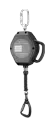
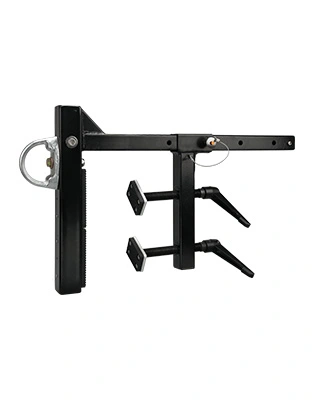
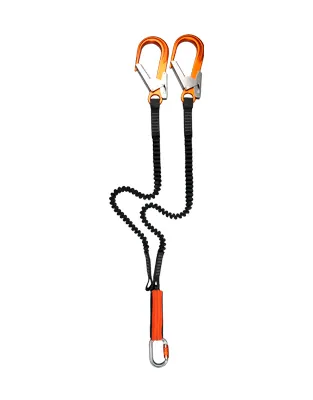
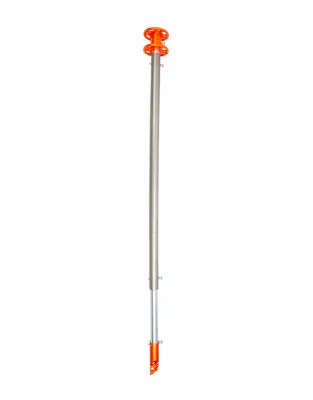
Working at height remains one of the leading causes of workplace injuries across construction, utilities, telecommunications, manufacturing, and industrial maintenance. Whether technicians are installing rooftop equipment, maintaining steel structures, or performing confined-space operations, a reliable fall protection anchor is the foundation of every personal fall protection system. Even the highest-quality harness or self-retracting lifeline cannot provide adequate protection without a properly selected and installed anchorage point.
Modern workplaces require different anchorage solutions depending on the work environment, structural conditions, and worker mobility. From permanent rooftop systems to portable fall protection anchor solutions and mobile fall protection anchor devices, employers have many options for improving worker safety while complying with OSHA, ANSI, and other applicable safety standards.
This guide explains the most common fall protection anchor types, compares fall arrest anchor and fall restraint anchor systems, and provides practical advice for choosing the right safety anchor for different working-at-height applications.
What Is a Fall Protection Anchor?
A fall protection anchor is the structural connection point that secures a personal fall protection system to a building, machine, or engineered support capable of withstanding the forces generated during normal work or an accidental fall. Together with a full-body harness, connecting device, and energy absorber, the anchor forms one of the most critical components of a complete fall protection system.
A safety anchor may be permanently installed on rooftops, steel structures, bridges, or industrial facilities, or it may be designed as a temporary solution for maintenance, inspection, or construction projects. The selected anchor must be compatible with both the structure and the intended fall protection equipment.
A properly selected harness anchor provides a secure attachment point that minimizes fall distance and supports safe rescue operations if an incident occurs. Because different applications have different load requirements and movement patterns, selecting the correct anchorage system is essential for worker safety.
Fall Arrest Anchor vs Fall Restraint Anchor
Although these two systems are closely related, a fall arrest anchor and a fall restraint anchor serve different safety purposes.
A fall arrest anchor is designed to stop a worker after a fall has already occurred. It works together with an energy-absorbing lanyard or self-retracting lifeline to reduce impact forces while preventing the worker from striking a lower level. Because it experiences dynamic loads during a fall event, this type of anchor must meet higher strength requirements.
A fall restraint anchor, on the other hand, is intended to prevent the worker from reaching a fall hazard at all. Instead of arresting a fall, it limits the worker's travel distance so they cannot access roof edges, openings, or elevated hazards.
Understanding this distinction helps employers choose the appropriate system based on workplace hazards rather than assuming all anchors perform the same function.
| Feature | Fall Arrest Anchor | Fall Restraint Anchor |
|---|
| Primary Purpose | Stops a fall after it occurs | Prevents workers from reaching a fall hazard |
| Typical Equipment | Energy-absorbing lanyard or SRL | Fixed-length restraint lanyard |
| Load Requirements | High dynamic loading | Lower working loads |
| Common Applications | Roofing, towers, construction | Maintenance near controlled roof edges |
Choosing the correct anchor system begins with a proper workplace risk assessment and understanding whether fall arrest or fall prevention is the primary objective.
Common Types of Fall Protection Anchors
Different work environments require different fall protection anchor types. Selecting the proper anchor depends on structural materials, worker movement, and project duration.
The most commonly used anchor types include:
Permanent roof anchors – Installed as fixed anchorage points for buildings requiring regular inspection or maintenance. They provide long-term reliability and reduce repeated installation work.
Portable fall protection anchor – Designed for temporary use during construction, equipment installation, or maintenance. These anchors can be transported between job sites and installed when needed.
Mobile fall protection anchor – Engineered for environments where workers frequently change positions. Mobile systems allow safe movement while maintaining continuous fall protection.
Fall protection anchor straps – Textile anchorage devices that wrap around structural members such as steel beams or concrete columns, providing temporary attachment points without permanent modification.
Specialized harness anchor systems – Designed for confined spaces, towers, utility poles, and industrial structures requiring unique attachment solutions.
Each anchor type offers advantages depending on the workplace and operational requirements. Selecting the correct system improves safety while supporting efficient jobsite operations.
Permanent, Portable and Mobile Anchors Compared
Choosing between permanent, portable, and mobile anchor systems depends on how frequently workers perform elevated tasks and whether the work location changes regularly.
Permanent anchors are ideal for facilities with scheduled maintenance programs because they remain available whenever access is required. They also reduce setup time and simplify inspection procedures.
A portable fall protection anchor is well suited for contractors who work across multiple locations. Since these systems can be installed and removed without modifying the structure, they provide excellent flexibility while maintaining worker protection.
A mobile fall protection anchor is particularly valuable in manufacturing plants, warehouses, aircraft maintenance, and industrial facilities where workers need to move continuously during operations.
Rather than focusing solely on equipment cost, companies should evaluate installation frequency, worker mobility, structural compatibility, and long-term maintenance requirements before selecting an anchorage solution.
How to Choose an Anchor for Different Work Environments
Selecting the appropriate fall protection anchor requires evaluating the specific hazards of each worksite. No single anchor is suitable for every application, so employers should match the anchorage solution to the working conditions.
Key considerations include:
Structure strength and compatibility: The supporting structure must safely withstand the required anchorage loads and comply with applicable safety standards.
Nature of the work: Roofing, bridge construction, telecommunications, utilities, and confined-space entry each present different fall hazards requiring different anchor systems.
Worker movement: Fixed anchors work well for localized tasks, while mobile fall protection anchor systems provide greater flexibility for large work areas.
Environmental conditions: Outdoor applications may require corrosion-resistant materials, while chemical plants may require specialized coatings or stainless-steel components.
Future maintenance requirements: Equipment that is easy to inspect and maintain typically provides better long-term value.
A carefully selected safety anchor improves productivity while ensuring workers remain protected throughout the project.
How Anchor Location Affects Fall Clearance and Worker Safety
The location of a fall protection anchor has a direct impact on fall clearance, swing hazards, and rescue effectiveness. Even a certified fall arrest anchor may not provide adequate protection if it is positioned incorrectly.
Whenever possible, anchors should be installed above the worker's dorsal attachment point. An overhead location minimizes free-fall distance, reduces swing fall potential, and lowers the forces transmitted through the fall protection system.
Anchors positioned below working level increase total fall clearance requirements because additional distance is needed for lanyard deployment, energy absorber extension, harness stretch, and worker height. Insufficient clearance may allow contact with lower levels even when certified equipment is used.
Proper anchor positioning should always be included in the overall fall protection plan rather than treated as a secondary consideration during installation.
How to Inspect a Fall Protection Anchor Before Use
Before every use, workers should inspect the fall protection anchor to confirm that it remains safe and suitable for service.
The recommended inspection process includes the following steps:
Verify that the anchor has been installed according to the manufacturer's instructions.
Inspect the anchor body for cracks, deformation, corrosion, loose fasteners, or other visible damage.
Check fall protection anchor straps for cuts, abrasion, chemical damage, or excessive wear.
Confirm that labels, identification markings, and inspection records remain legible.
Remove the anchor from service immediately if any defects or uncertainty are found.
In addition to pre-use inspections, periodic inspections by a competent person should be performed according to manufacturer recommendations and workplace safety procedures.
Common Fall Protection Anchor Selection Mistakes
Many workplace incidents occur not because equipment fails, but because the wrong anchorage solution was selected.
One common mistake is choosing an anchor without verifying that the supporting structure has sufficient strength. Another is confusing a fall restraint anchor with a fall arrest anchor, resulting in the wrong equipment being used for the hazard present.
Workers may also install fall protection anchor straps around unsuitable structural members, position anchors too low, ignore swing fall hazards, or overlook rescue planning during project preparation.
Another frequent error is assuming all fall protection anchor types are interchangeable. In reality, different anchors are engineered for different load conditions, movement patterns, and structural applications. Selecting equipment based on convenience instead of hazard assessment can significantly reduce system effectiveness.
Proper training, regular inspections, and careful equipment selection help eliminate these common mistakes while improving overall workplace safety.
FAQs About Fall Protection Anchors
What is the purpose of a fall protection anchor?
A fall protection anchor provides the secure connection point between a worker's fall protection equipment and a structural support capable of withstanding required safety loads.
When should a portable fall protection anchor be used?
A portable fall protection anchor is ideal for temporary construction projects, maintenance work, inspections, and job sites where permanent anchor installation is not practical.
What is the difference between a safety anchor and a harness anchor?
A safety anchor refers to the certified anchorage point itself, while a harness anchor generally describes the connection between the worker's harness and the anchorage system.
Can fall protection anchor straps be reused?
Most fall protection anchor straps can be reused if they pass inspection and have not been subjected to a fall event. Always follow the manufacturer's inspection and replacement guidelines.
How often should fall protection anchors be inspected?
Anchors should be visually inspected before every use and undergo periodic documented inspections by a competent person in accordance with applicable regulations and manufacturer recommendations.
 EN
EN
 fr
fr  de
de  es
es  it
it