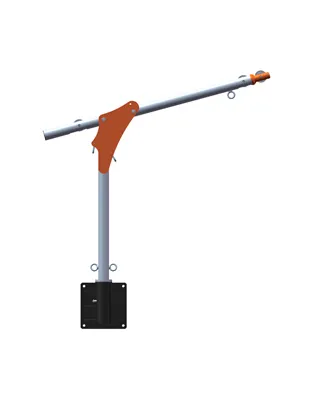
Navigating the world of confined space entry rescue tripod systems can feel overwhelming due to the diverse options available. Selecting the right system is critical for ensuring safety, compliance, and efficiency in high-risk environments. This guide breaks down the key factors to consider, from OSHA regulations to system components, to help you choose a Hoater tripod system that aligns with your needs and budget.
Understanding Confined Space Rescue Requirements
Meeting OSHA Standards
A tripod rescue system is essential for complying with OSHA confined space (1910.146) and fall protection (1910.132) standards, though some states may impose additional regulations. These systems must address three critical functions: lowering, fall protection, and rescue/retrieval. Think of these functions as legs of a compliance stool—each must be present to meet regulatory requirements. Missing any one function renders the system non-compliant, much like a stool that topples without all its legs. Consulting comprehensive resources, such as a detailed confined space entry guide, can clarify these requirements and ensure your system meets all necessary standards.
Why Compliance Matters
Compliance with OSHA standards is non-negotiable for ensuring worker safety and avoiding penalties. A properly equipped tripod system not only protects workers but also demonstrates a commitment to regulatory adherence. Understanding the specific requirements for your application helps you select a system that provides robust safety measures while fitting your operational needs.
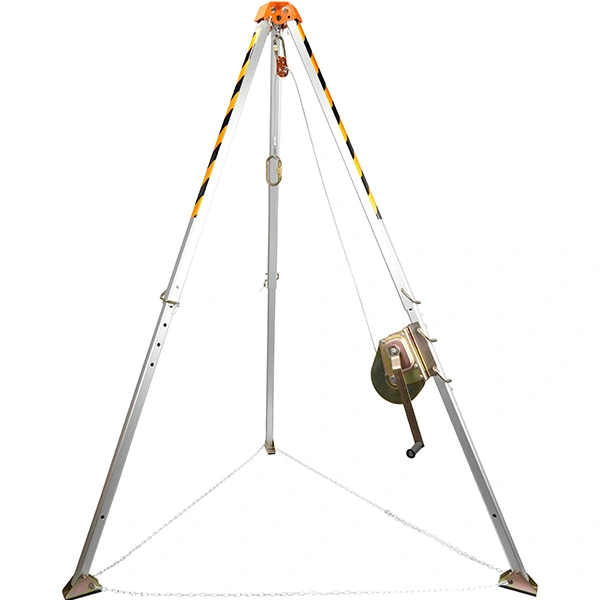
Key Components of a Tripod Rescue System
The Role of System Components
A rescue tripod system comprises various components, each designed to fulfill a specific function. No single component can address all three critical functions—lowering, fall protection, and rescue/retrieval—simultaneously. Understanding the purpose of each component helps you differentiate between systems and select one that meets all compliance requirements effectively.
The First Leg: Lowering
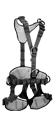
The lowering function is achieved using a man-rated mechanical winch, a user-friendly hand-crank device that attaches to the back or shoulder d-rings of the entrant's harness. This component ensures safe and controlled descent into confined spaces, forming the first leg of the compliance stool and providing a reliable foundation for safe entry.
The Second Leg: Fall Protection
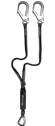
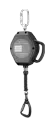
Fall protection, the second leg of the compliance stool, is provided by either a self-retracting lifeline (SRL) or a combination winch/SRL, both connected to the entrant's harness d-ring, resulting in two cables attached to the harness. These devices arrest a fall if the mechanical winch's brake system fails. The combination winch/SRL functions like a standard SRL, locking like a seatbelt during a fall while allowing free movement. Unlike a standard SRL, it can switch to rescue mode, offering a backup rescue capability. While some consider ladders as fall protection, this practice lacks clear OSHA approval and is not recommended due to potential compliance risks.
The Third Leg: Rescue/Retrieval
The rescue/retrieval function, the third leg of the compliance stool, is typically handled by the same mechanical winch used for lowering. However, a winch failure during rescue poses a significant risk. To mitigate this, many choose the combination winch/SRL for fall protection, as it can switch to rescue/retrieval mode if the primary winch fails. This dual functionality ensures compliance and adds critical redundancy, enhancing overall safety.
Ensuring Quality and Reliability
Approvals and Standards
Selecting a tripod rescue system that meets ANSI/OSHA standards is crucial, as substandard products may fail to comply, compromising safety. Hoater systems, manufactured in the USA, are designed to meet these standards, ensuring reliability and regulatory adherence. Avoid imported products that may lack proper certifications, as they could jeopardize worker safety and compliance.
Repairs and Recertification
Manufacturer support for repairs and recertifications is a critical yet often overlooked consideration. Components subjected to a fall, rescue, or normal wear must be returned to the manufacturer for repair and recertification. Hoater's USA-made systems offer access to reliable repair services, unlike some imported alternatives that may be impossible to service, ensuring long-term usability and compliance.
Training and Support for Long-Term Success
The Importance of Training
Even the best equipment is ineffective without proper training. Workers must be thoroughly trained on the use and operation of confined space safety equipment, ideally under the guidance of a designated competent person. Comprehensive training ensures that the system is used correctly, maximizing safety and compliance in real-world scenarios.
Hoater's Post-Purchase Support
Hoater goes beyond equipment sales by offering robust post-purchase support. Their in-house service center handles maintenance and warranty work for gas detectors, ensuring timely support and minimizing downtime. For blowers and tripod systems requiring factory service, Hoater streamlines the process by coordinating with manufacturers and securing return authorizations, making repairs and recertifications hassle-free for customers.
Choosing the right confined space tripod rescue system requires careful consideration of compliance, components, and long-term support. By prioritizing OSHA compliance, understanding system components, and ensuring proper training and support, you can select a tripod system that enhances safety and efficiency in confined space operations.
 EN
EN
 fr
fr  de
de  es
es  it
it