A safety harness and a safety lanyard are both essential components of modern fall protection systems, but they serve fundamentally different roles. A safety harness is worn on the body to support and distribute fall forces, while a safety lanyard connects the harness to an anchor point and absorbs energy during a fall. Neither can provide complete fall protection alone — they must work together as part of a compliant Personal Fall Arrest System.
What Is a Safety Harness?
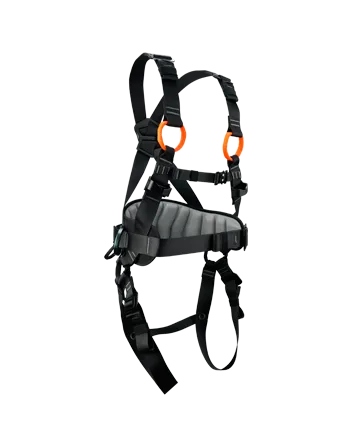
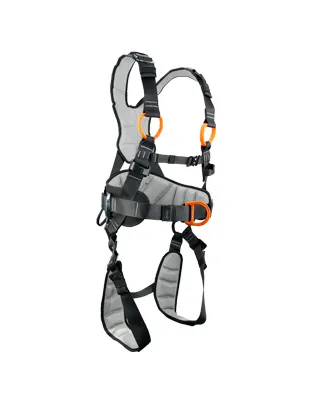
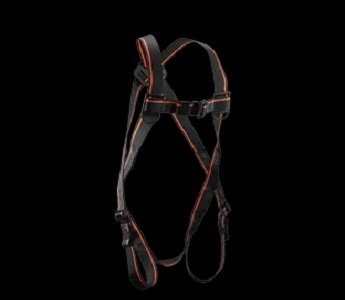
A full-body safety harness is a wearable device designed to securely support a worker during fall arrest. Unlike outdated body belts that concentrated force on the waist, modern harnesses distribute impact forces across multiple load-bearing points including shoulders, chest, thighs, and pelvis. This design significantly reduces the risk of internal injuries, spinal damage, and suspension trauma.
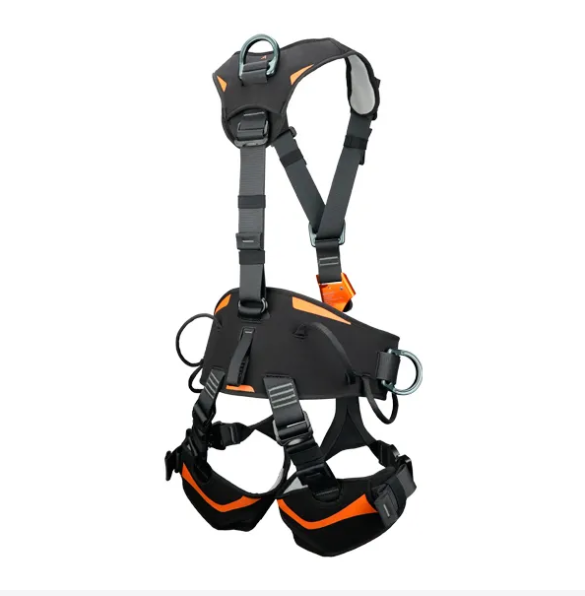
Key labeled components include the dorsal D-ring for primary fall arrest (located between shoulder blades), side D-rings for positioning, front D-ring for rescue or rope access, leg straps, chest strap, and sub-pelvic strap. When a fall occurs, the dorsal D-ring becomes the primary attachment point, allowing the body to remain upright or seated after arrest. This posture improves blood circulation and makes rescue significantly easier. High-quality harnesses feature padded straps, adjustable buckles, and breathable materials for all-day comfort without compromising strength.
What Is a Safety Lanyard?
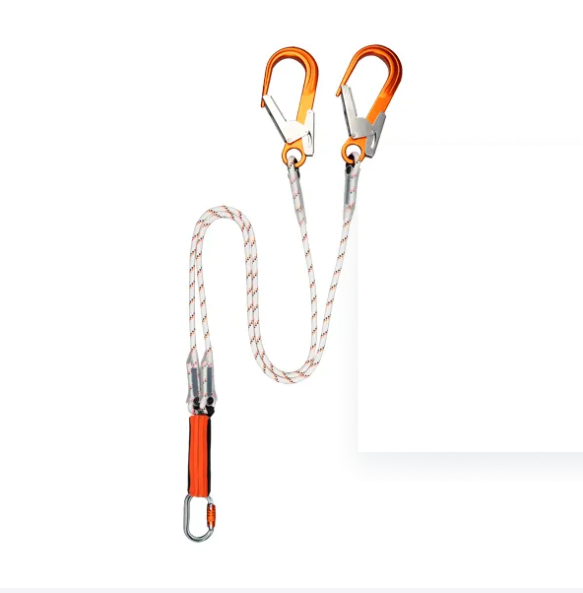
A safety lanyard is the connective link between the worker's harness and a secure anchor point. It serves two primary purposes: positioning the worker safely and arresting a fall by absorbing kinetic energy. Unlike static ropes, modern shock-absorbing lanyards contain a built-in energy absorber that tears away in a controlled manner during a fall, dramatically reducing deceleration forces on the body.
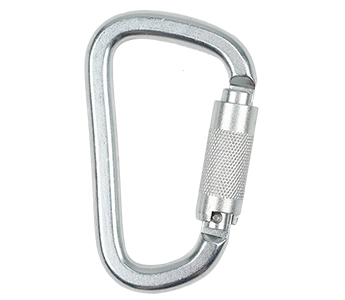
Key parts include the energy absorber (deploys during fall), webbing, connector, and locking snap hook. Lanyards come in various materials including nylon webbing, wire rope, and synthetic fibers, each suited to specific environments. Connector ends typically use self-locking snap hooks or carabiners that must meet strict strength requirements to prevent accidental disengagement.
Key Differences Between Safety Harness and Safety Lanyard
While both are indispensable in fall protection, harnesses and lanyards serve fundamentally different roles. A harness is personal protective equipment worn by the worker. A lanyard is a connecting device that links the harness to the anchorage system.
| Feature | Safety Harness | Safety Lanyard |
|---|
| Purpose | Supports worker's body and distributes forces | Connects worker to anchor and absorbs energy |
| Worn On Body | Yes | No |
| Fall Arrest Function | Distributes impact forces | Absorbs and controls energy |
| Attachment Points | D-rings | Anchors via hooks |
| Typical Replacement Cycle | Longer (wear-based) | More frequent (after deployment) |
|
|
|
The key difference is clear: a harness supports the worker, while a lanyard connects the worker to the anchorage system. Without the harness, there is no proper body support or force distribution, leading to severe injury or death even if the fall is technically arrested.
Application Scenarios for Harnesses and Lanyards
Different industries require specific harness and lanyard combinations based on their work environments and movement patterns.
For construction work, use a standard fall arrest harness paired with shock-absorbing lanyards for roofing, scaffolding, and steel erection. This combination handles general fall arrest needs in varied building environments.
For wind turbine maintenance, select a tower climbing harness with twin-leg lanyards for 100% tie-off during blade and nacelle work. The twin-leg design allows workers to move between anchor points without ever being disconnected.
For telecom towers, combine climbing harnesses with twin-leg lanyards to ensure continuous protection while ascending and working on communication structures.
For utilities work, use positioning harnesses with compatible positioning or restraint lanyards. Positioning harnesses have side D-rings for hands-free work on poles, towers, or vertical structures.
| Industry | Recommended Harness | Recommended Lanyard |
|---|
| Construction | Fall Arrest | Shock Absorbing |
| Wind Energy | Tower Harness | Twin Leg |
| Telecom | Climbing Harness | Twin Leg |
| Utilities | Positioning | Positioning |
Standard fall arrest harnesses are versatile all-purpose designs for general construction and maintenance. Positioning harnesses work for utilities and tower work. Tower climbing harnesses are specialized for wind turbines and communication towers. Rescue harnesses include shoulder D-rings for upright retrieval in confined spaces. Rope access harnesses have front and rear attachment points for professional rope access technicians.
Shock-absorbing lanyards are ideal for general fall arrest. Twin-leg lanyards suit tower climbing and mobile work. Positioning lanyards work for pole and structure work. Restraint lanyards prevent workers from reaching fall hazards. Wire rope lanyards are ideal for welding and hot work environments requiring cut and abrasion resistance.
Cost and Maintenance Considerations
Safety harnesses typically have a longer replacement cycle based on wear, while lanyards require more frequent replacement, especially after energy absorber deployment. Inspect both before and after every use, with formal competent person inspections at regular intervals.
Harness inspection requires examining webbing for cuts, fraying, burns, or chemical damage, checking all stitching for broken or pulled threads, inspecting D-rings for cracks, deformation, or corrosion, and verifying labels are legible and within service life dates. Lanyard inspection includes checking the shock pack for deployment indicators or damage, inspecting rope or webbing for abrasion or knots, and ensuring hooks and connectors lock properly without wear.
Shock-absorbing lanyards that have deployed must be removed from service and cannot be reused. Common mistakes include buying components separately without compatibility verification, using non-certified or counterfeit equipment, ignoring total worker weight capacity including tools and clothing, selecting incorrect lanyard length or type, and failing to integrate rescue plans.
In the European market, fall protection equipment must comply with CE marking under the PPE Regulation. Key EN standards include EN 361 for full-body harnesses and EN 355 for energy-absorbing lanyards, ensuring consistent safety performance, testing, and usage requirements.
Which One Should You Choose?
You should choose both — a safety harness and a safety lanyard work together as part of a complete PFAS. Neither can provide complete fall protection alone. The specific types depend on your industry and work requirements.
For construction, choose a standard fall arrest harness with shock-absorbing lanyards. For wind energy, select a tower climbing harness with twin-leg lanyards. For telecom towers, use climbing harnesses combined with twin-leg lanyards. For utilities, pick positioning harnesses with positioning or restraint lanyards.
Always ensure the harness, lanyard, and connectors form a certified system from reputable manufacturers with current test documentation. HOATER delivers complete fall protection solutions backed by rigorous testing and international compliance. All products are CE-certified and compliant with EN standards, specifically designed to meet European market requirements. Supported by an in-house testing laboratory featuring dynamic drop testing, static load verification, and sewing strength verification.
A harness supports the worker, while a lanyard connects the worker to an anchorage system. Together, they form the foundation of an effective fall protection system. Proper equipment selection, correct fitting, secure anchorage, 100% tie-off, regular inspection, and rescue preparedness dramatically reduce risks at height.
Frequently Asked Questions
What is the main difference between a harness and a lanyard?
The harness is worn on the body to support and distribute forces. The lanyard connects the harness to the anchor and manages fall energy.
Can a lanyard stop a fall by itself?
No. A lanyard requires a properly worn full-body harness to function safely.
How often should harnesses and lanyards be inspected?
Before and after every use, with formal competent person inspections at regular intervals.
Can a lanyard be reused after a fall?
Shock-absorbing lanyards that have deployed must be removed from service.
 EN
EN
 fr
fr  de
de  es
es  it
it