With increasing public safety awareness, ropes designed for fire rescue and emergency escape have become indispensable equipment — not only for firefighters but also for high-rise residents and emergency response teams.
Understanding the correct use, maintenance, and limitations of these ropes can be life-saving in critical moments.
1. What is a Fire Rescue Rope
A fire rescue rope (or firefighter life safety rope) is a specialized low-stretch static rope used in fire suppression, rescue, and training operations.
According to XF 494-2004 (China), these ropes are designed to withstand high mechanical loads, elevated temperatures, and chemical exposure during fireground operations.
emergencies.
Key characteristics:
Low elongation (<5%) for stable rappelling and hauling
High tensile strength — typically exceeding 27 kN for technical use
Heat resistance — often aramid-blended (Kevlar®, Technora®) or polyester
Abrasion resistance — kernmantle construction for sheath durability
Typical sizes range from 9–13 mm in diameter, with standard lengths of 30 m, 50 m, or 100 m depending on deployment type.
2. Household Escape Ropes
For non-professional emergency escape, consumer-grade escape ropes are made from synthetic fibers such as polyester or nylon.
They are designed for temporary use and short descents — for example, from residential balconies or windows during high-rise emergencies.
However, these products should not be used for professional rescue or situations involving direct flame or long exposure to heat, as their melting points are typically below 260 °C.
3. Rope Components and Accessories
A complete rope system includes:
Main rope — kernmantle static line
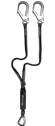
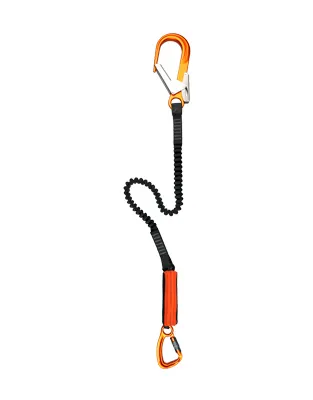
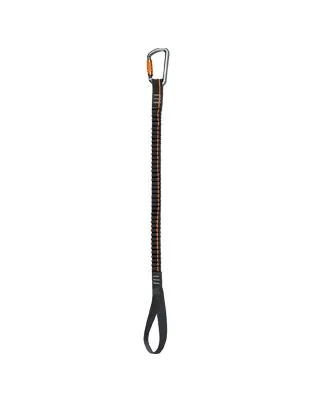
Safety hook or carabiner — attaches to anchor point
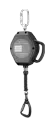
Descender or figure-eight device — controls descent speed
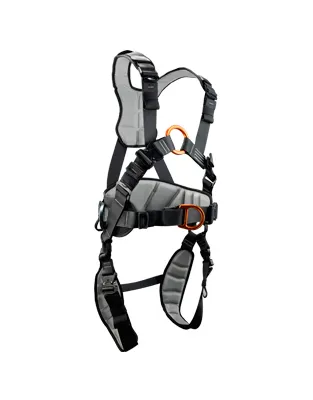
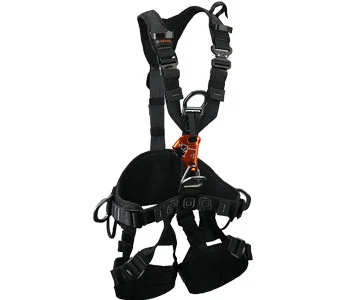
Harness or seat belt — secures the user
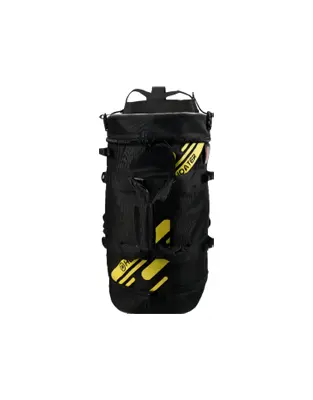
Rope bag — protects from abrasion and heat when deployed
Proper anchoring is essential — only use structural anchor points such as beams, load-bearing columns, or certified anchor bolts.
4. Correct Usage Steps
Anchor securely: Attach the rope to a solid, load-bearing structure. Avoid lightweight railings or decorative bars.
Use approved connectors: Secure with a locking carabiner or figure-eight device rated for rescue loads.
Inspect before use: Check for cuts, burns, discoloration, or sheath slippage.
Descend with control: Keep your body against the wall, feet braced, and control speed with your braking hand.
Stay calm and steady: Avoid sudden movements; panic increases risk of error.
5. Precautions and Maintenance
Avoid contact with sharp edges or abrasive surfaces.
Do not expose to open flame or sparks. Even aramid ropes can degrade under direct fire.
Inspect quarterly for mildew, stiffness, or sheath wear.
Store dry and cool, away from sunlight and chemicals.
Replace immediately if any structural damage, burn marks, or stiffness appears.
Lifespan guidance: Properly stored, unused rope: up to 10 years maximum shelf life.In-service rope: replace after visible damage or severe contamination, not on a fixed timeline.
 EN
EN
 fr
fr  de
de  es
es  it
it