In modern construction and work-at-height operations, choosing the right fall protection lanyard is essential for keeping workers safe and meeting regulatory requirements. A fall protection lanyard is a flexible line that connects a worker’s full-body harness to a secure anchor point as part of a personal fall arrest system. It limits free fall distance and controls the forces experienced during a fall arrest. This guide explains the main types of lanyards, how to select the correct one for your application, and which standards matter most.
Main Types of Fall Protection Lanyards and Their Uses
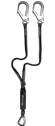
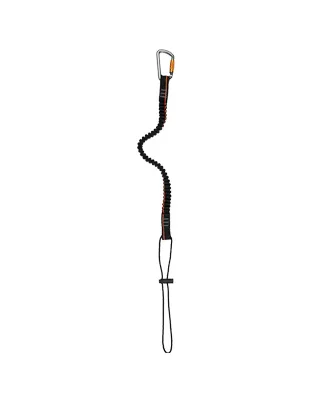
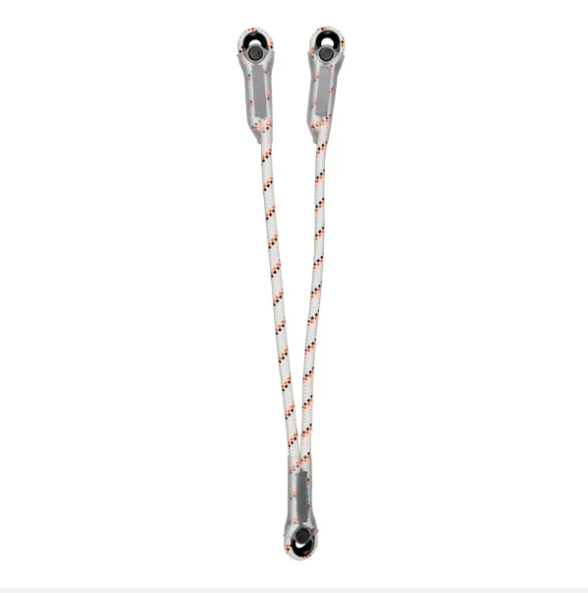
Fall protection lanyards are divided into several categories based on their function. Restraint lanyards keep workers from reaching a fall hazard by limiting their range of motion. Positioning lanyards support hands-free work at height, allowing workers to use both hands for tasks like welding or assembly. Energy-absorbing lanyards arrest falls safely by deploying a shock absorber that reduces peak forces on the worker and anchor point. Tie-back lanyards wrap around structural members like I-beams, eliminating the need for separate anchor connectors. Twin-leg lanyards enable 100% tie-off during movement between anchor points, keeping workers continuously connected as they transition.
The best lanyard depends on the task, site conditions, and required level of protection. For construction and general height work, energy-absorbing lanyards are the default choice. For steel erection and wind energy, twin-leg lanyards support continuous connection. Telecom and tower climbing often combine positioning and twin-leg systems. Roofing applications may use restraint lanyards when fall exposure can be prevented altogether.
How to Choose the Right Lanyard for Your Project
Selecting the right lanyard requires evaluating fall hazards, anchor locations, worker mobility, and clearance requirements. Lanyard length directly impacts free fall distance and the total clearance needed below the work area. Longer lanyards offer more mobility but demand more vertical space. The minimum required fall clearance must account for lanyard length, energy absorber deployment, harness stretch, D-ring shift, and a safety margin to prevent the worker from striking a lower level.
Lanyard materials also matter. Webbing lanyards are lightweight and comfortable for all-day wear in general construction. Rope lanyards offer superior abrasion resistance for rough surfaces and rope access work. Cable lanyards provide excellent cut and heat resistance, making them suitable for welding and metal fabrication. Match the material to the work environment and hazards involved.
Safety Standards, Inspection, and HOATER Lanyard Solutions
Using lanyards that meet recognized standards is essential for worker safety and compliance. In the European market, CE marking is a key requirement, indicating compliance with EU regulations for personal protective equipment. Relevant EN standards include EN 355 for energy absorbers and EN 354 for lanyards, which define performance, testing, and usage requirements. These standards ensure that fall protection equipment meets strict safety and reliability criteria.
Lanyards should be inspected regularly to ensure they remain safe for use. Perform a daily visual check of webbing, hardware, and shock pack. Conduct a detailed monthly inspection by a competent person. Remove the lanyard from service immediately after any fall. Never reuse a lanyard involved in a fall unless explicitly approved by the manufacturer or a qualified professional.
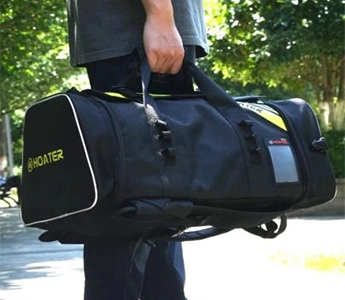
HOATER offers a comprehensive range of high-performance lanyards engineered for real-world conditions. From energy-absorbing models to twin-leg and tie-back solutions, every product is CE-certified and compliant with relevant EN standards. With in-house dynamic drop testing, advanced manufacturing, and OEM capabilities, HOATER delivers reliable, certified fall protection solutions trusted across industries worldwide, particularly across the European market.
 EN
EN
 fr
fr  de
de  es
es  it
it